Why Does My Dog Steal My Shoes but Never Chew Them?
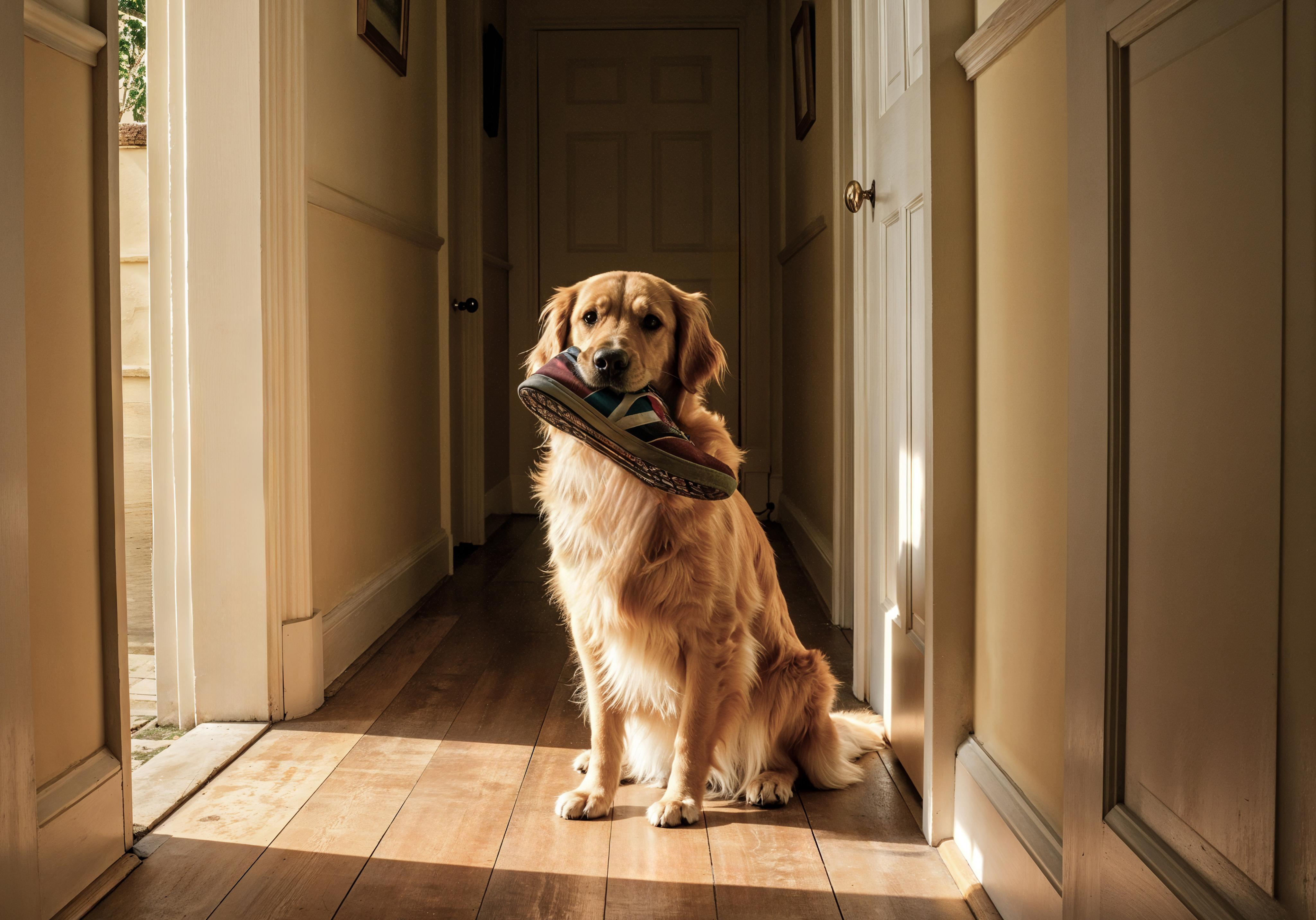
You walk into the living room and there it is. Your favorite sneaker, sitting proudly in your dog's bed.
Not chewed. Not shredded. Not even slightly damaged.
Just stolen.
Meanwhile, your dog is looking at you like they've done absolutely nothing wrong.
Sound familiar?
If your dog has a habit of stealing shoes, socks, slippers, or other personal belongings without destroying them, you might be wondering what they're trying to tell you.
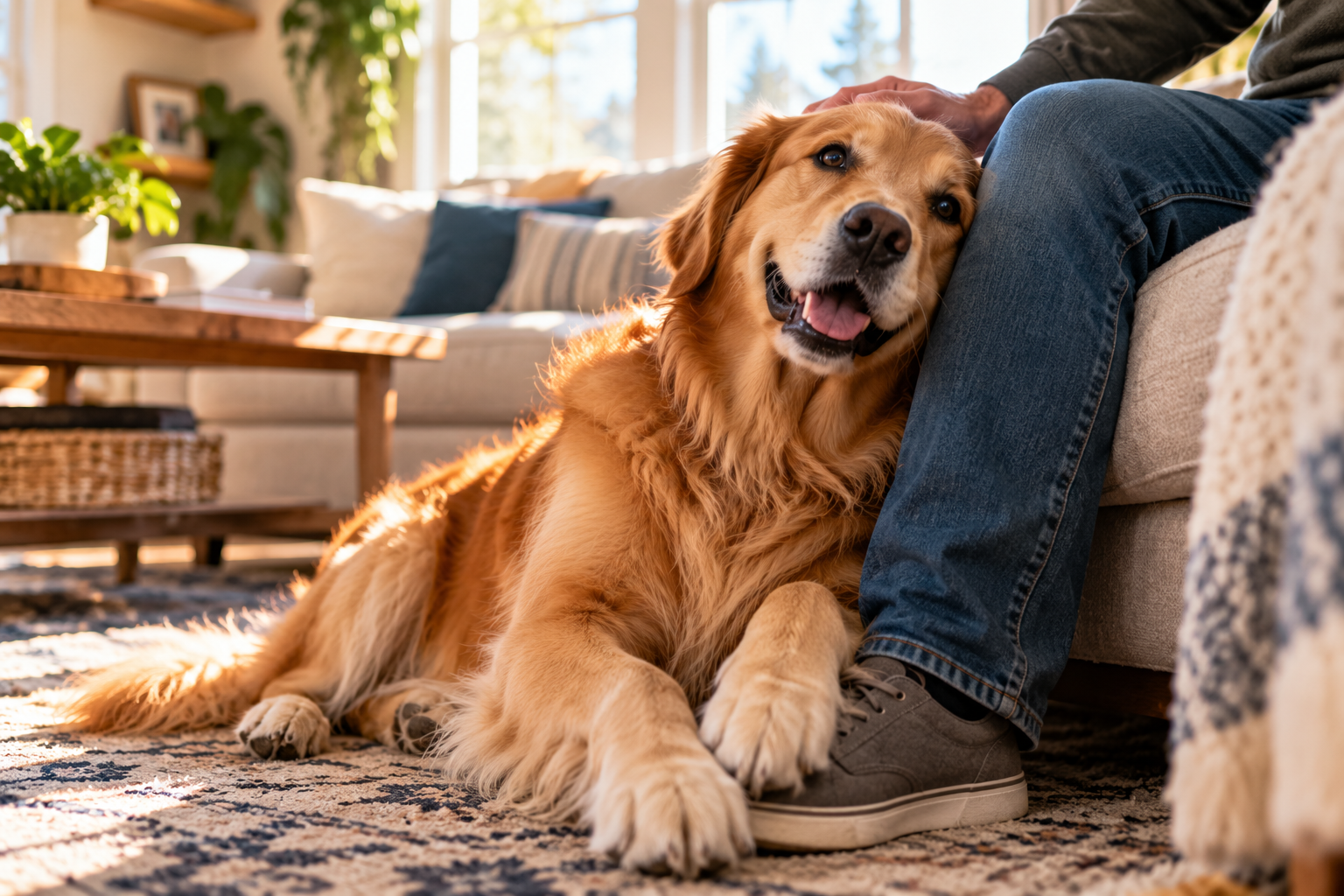
Here's the interesting part: Your dog might not be interested in the shoe itself. They might be interested in you.
But affection isn't the only possible explanation. Let's investigate this adorable little crime scene.
1. Your Shoes Smell Like Their Favorite Person
To you, an old sneaker might smell like something that desperately needs a trip through the washing machine.
To your dog? It's packed with information.
Dogs experience the world largely through their sense of smell. Your shoes carry a strong combination of your individual scent and the places you've visited throughout the day.
That makes them particularly interesting objects to investigate.
For some dogs, familiar smells may also provide comfort, especially when their favorite person isn't nearby.
Think about it: Your dog doesn't understand that your expensive running shoes are supposed to stay in the closet. They just know those shoes smell unmistakably like you.
The takeaway: If your dog quietly carries your shoes to their favorite resting place, your scent could be part of the attraction.
2. Your Dog Might Be Collecting Comfort Objects
Have you ever noticed that your dog's stolen treasures end up in the same place?
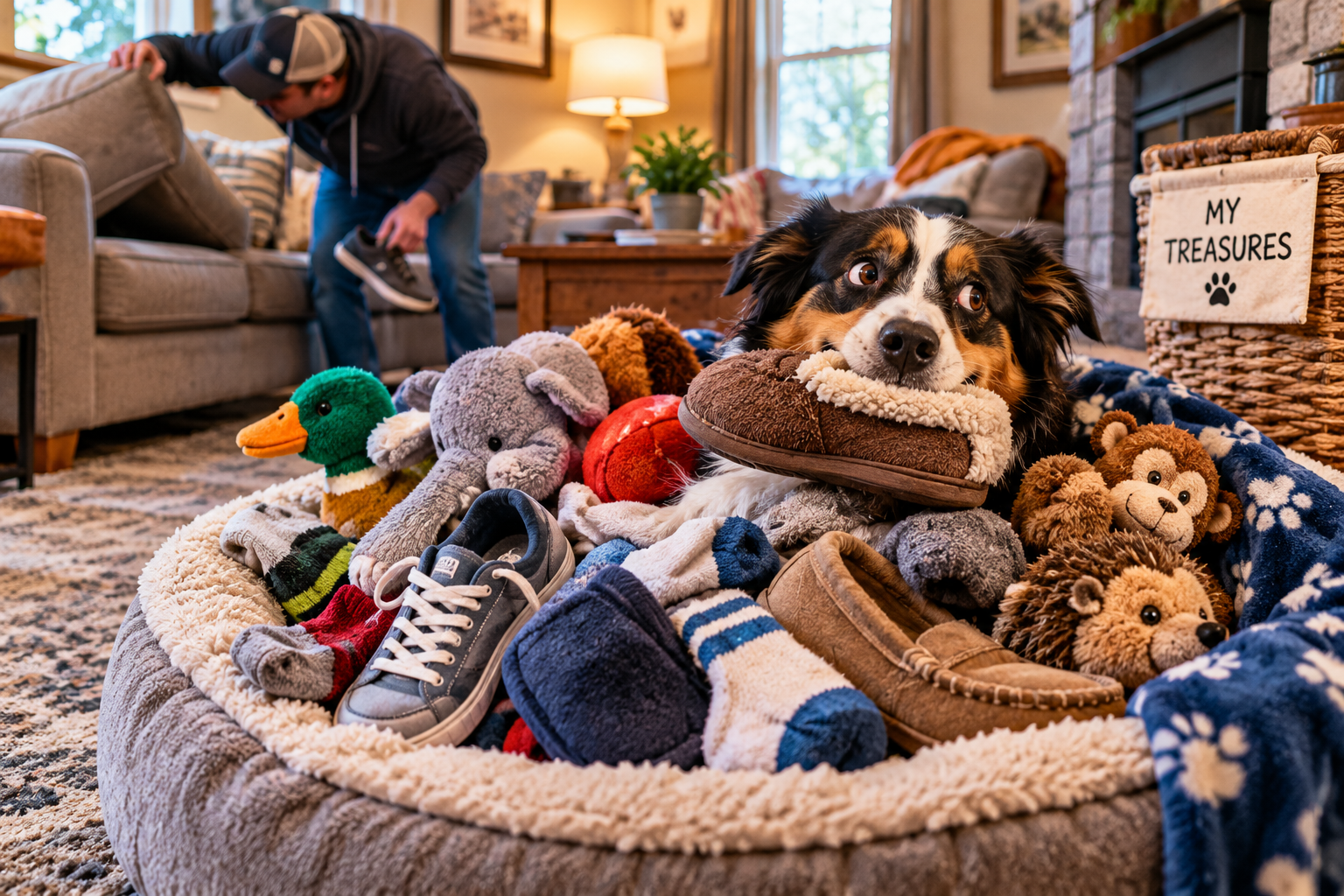
Maybe it's their bed, a favorite corner of the couch, or that mysterious pile behind the recliner.
Some dogs enjoy carrying and gathering objects. Shoes can be especially appealing because they're familiar, easy to grab, and covered in interesting scents.
A dog that carries a shoe into its bed and settles down beside it may simply find the object interesting or comforting.
However, collecting your belongings doesn't automatically mean your dog is anxious or experiencing separation anxiety.
Watch the bigger picture.
If your dog seems relaxed, sleeps normally, eats well, and happily goes about their day, occasional shoe collecting may be harmless.
If they become distressed whenever you leave, that's worth investigating further.
3. Your Dog Has Learned That Stealing Shoes Gets Your Attention
Picture this.
Your dog grabs your slipper.
You gasp.
Your dog freezes.
You say, "HEY! GIVE THAT BACK!"
And suddenly you're chasing your dog through the house while they proudly parade around with their prize.
Congratulations. You may have accidentally invented your dog's favorite game.
Dogs learn from the consequences of their behavior. If grabbing a shoe consistently earns attention, excitement, or a lively chase, the behavior can become rewarding.
And here's the tricky part: Even attention that seems negative to us can sometimes reinforce behavior.
Your dog doesn't necessarily understand that you're upset about your shoe. They may simply discover that picking it up makes something interesting happen.
What to do instead
Avoid chasing your dog unless there's an immediate safety concern.
Instead, calmly offer a favorite toy or an especially appealing treat and reward your dog for releasing the shoe.
Then put the shoe somewhere inaccessible.
With repetition, your dog can learn that giving up an object leads to something positive.
4. Your Dog Might Be Bored
Sometimes the explanation is less romantic.
Your dog might simply need something to do.
Dogs need opportunities to sniff, explore, chew appropriate objects, play, and solve little problems throughout the day.
Without enough stimulation, they may invent their own entertainment.
And apparently, stealing a $90 sneaker counts as entertainment.
A dog that regularly picks up shoes, carries household objects around, or repeatedly tries to initiate games may benefit from more enrichment.
Try adding a short scent game, a food puzzle, or a few minutes of reward-based training to your daily routine.
For easy activities using things you already own, check out 12 DIY Dog Enrichment Ideas Using Things You Already Have.
5. Carrying Objects Can Be Naturally Rewarding
Some dogs simply love having something in their mouths.
Retrievers, for example, have a history of being bred to pick up and carry objects. But dogs of all breeds and mixes may enjoy carrying toys, clothing, and other household items.
Your shoe might be the perfect size and texture for a satisfying little delivery mission.
That doesn't mean your dog is deliberately retrieving your belongings for you.
They may just enjoy picking things up.
If your dog loves carrying objects, give them safe alternatives such as soft toys, appropriately sized fetch toys, or other dog-safe items designed for carrying.
You can even teach a fun "bring it" game using approved toys.
Does It Mean My Dog Loves Me?
Here's the question every shoe-theft victim secretly wants answered.
Possibly—but shoe stealing alone isn't proof of affection.
Your scent may be familiar and comforting, and a dog that seeks out your belongings may have positive associations with you.
But dogs also take shoes because they're interesting, rewarding, or simply available.
To better understand your relationship, look at y our dog's overall behavior.
Do they choose to spend time near you? Approach you with a relaxed body? Invite you to play? Seek contact when they feel comfortable?
Those patterns tell you more about your bond than one stolen sneaker.
And if your dog prefers carrying your slipper over their expensive new toy?
Well, that's certainly a compliment to your footwear.
Why Does My Dog Steal My Shoes When I Leave the House?
This is where context matters.
If your dog only takes your shoes when you're away, they may be attracted to your lingering scent, looking for something to do, or exploring accessible objects.
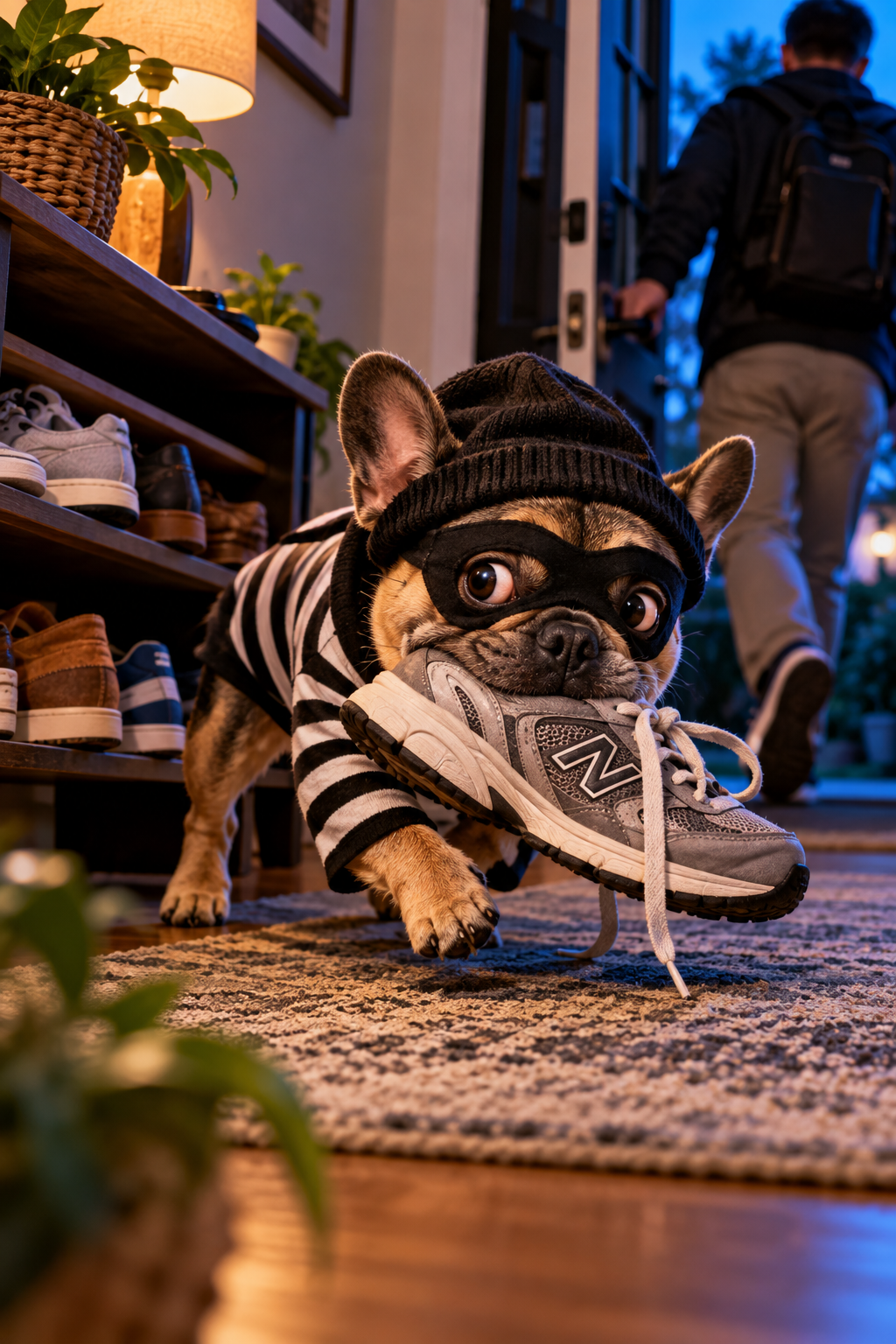
However, shoe stealing can also occur alongside separation-related distress.
Watch for other behaviors such as:
Persistent barking or howling after you leave
Destructive behavior concentrated around exits
Pacing or an inability to settle
Excessive drooling or other signs of distress
Attempts to escape
If these behaviors happen regularly, speak with your veterinarian or a qualified behavior professional.
Separation-related distress deserves a thoughtful treatment plan—not punishment.
How to Stop Your Dog From Stealing Shoes Without Punishment
If your dog isn't damaging anything, you might be tempted to let the habit continue.
But shoes aren't ideal dog toys. Laces, decorative pieces, and other materials can become choking hazards or cause intestinal blockages if swallowed.
A few simple changes can help.
Keep shoes out of reach
A closed closet, shoe cabinet, or secured storage area removes the temptation.
Management is often the easiest first step.
Teach "drop it" with rewards
Start with a safe toy, offer a reward for releasing it, and practice when your dog is calm.
Gradually build the skill before using it with more tempting objects.
Provide appropriate carrying toys
Choose toys that suit your dog's size and play style.
Rotate them occasionally to keep things interesting.
Reward the behavior you want
When your dog chooses their own toy instead of your sneaker, praise them and offer positive attention.
Avoid turning it into a chase
Running after your dog can accidentally make shoe stealing more exciting.
Stay calm and trade for the object instead.
For more ways to keep your dog entertained, explore 9 Easy Scent Games for Dogs: Turn Sniffing Into Brain Games.
When Should You Be Concerned?
Most occasional shoe stealing isn't an emergency.
But there are situations where you should pay closer attention.
Contact your veterinarian if your dog starts swallowing shoe materials, repeatedly eats nonfood objects, suddenly develops unusual collecting behavior, or shows significant distress.
If you suspect your dog swallowed part of a shoe, don't wait for symptoms before calling your veterinarian.
Swallowed fabric, rubber, and other materials can cause dangerous intestinal obstructions.
For additional guidance, read My Dog Ate Something They Shouldn't: What to Do in the First 10 Minutes.
Frequently Asked Questions
Why does my dog steal only my shoes?
Your shoes may have a particularly familiar scent, be easier to access, or have a texture your dog prefers. If stealing them has earned attention in the past, that can also influence the behavior.
Why does my dog sleep with my shoes?
Your scent may be familiar and comforting. Some dogs also enjoy resting near objects they've carried into their sleeping area.
Why does my dog bring me my shoes?
Your dog may be seeking attention, inviting interaction, or enjoying carrying objects. Some dogs can also learn to retrieve shoes when that behavior is rewarded.
Should I let my dog keep my shoes?
It's safer to offer appropriate toys instead. Even dogs that usually carry shoes gently may eventually chew or swallow unsafe materials.
Do dogs steal shoes because they miss their owners?
Sometimes a dog may seek out an owner's scent when they're absent, but stealing shoes doesn't necessarily mean the dog is lonely or anxious. Look at their overall behavior before drawing conclusions.
The Final Verdict: Your Dog Might Be a Thief, but They're Probably Not a Criminal Mastermind
Your dog isn't plotting an elaborate sneaker heist.
They might love your scent. They might enjoy collecting objects. They might have discovered that stealing a shoe gets your attention.
Or they might just think your slippers are much more interesting than the toys you bought them.
Whatever the reason, understanding the motivation behind the behavior can help you respond with patience instead of frustration.
And if you discover your missing sneaker carefully tucked into your dog's bed tonight?
You can appreciate the adorable mystery while still trading it for a safer toy.
Want to understand more of your dog's wonderfully weird habits? Explore The Bark Clinic's Behavior & Training articles for friendly, practical insights into the things dogs do—and why they do them.
This article is educational and is not a substitute for veterinary care. If your dog is unwell, contact your veterinarian.
Keep reading
Why Does My Dog Take Food Out of Their Bowl to Eat Somewhere Else?
Your dog has a perfectly good food bowl, so why does dinner always end up on the carpet? Discover seven possible explanations for this quirky habit and when it might signal a problem.
Read article
Why Does My Dog Put a Paw on Me? 6 Common Meanings
Why does your dog put a paw on you? Discover six possible meanings, from affection to attention, and how to respond to repeated pawing.
Read article