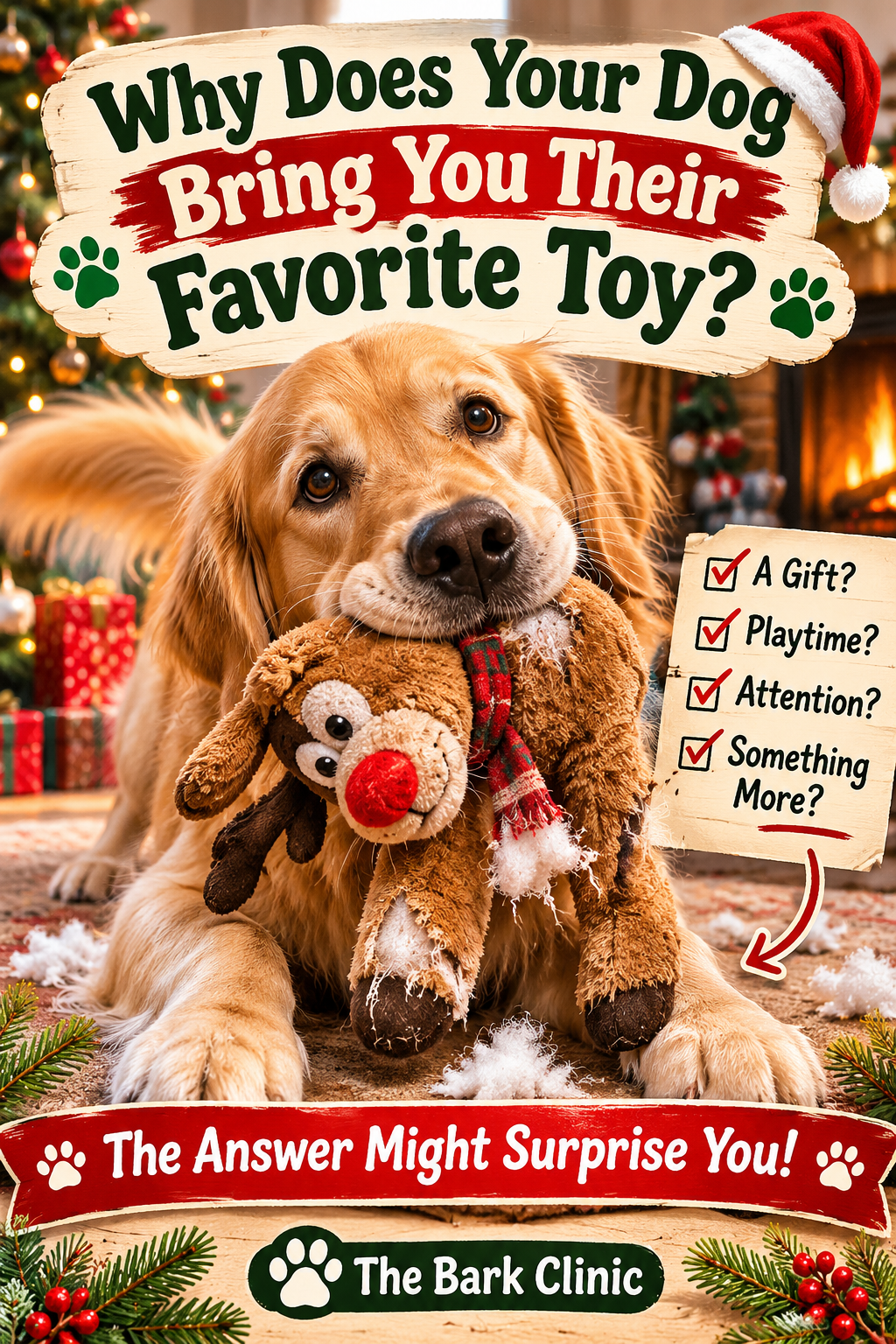
You’re sitting on the couch, minding your own business, when your dog suddenly appears with something in their mouth.
It’s their favorite stuffed animal.
Well, technically, it used to be a stuffed animal. Now it’s a mysterious collection of fabric, missing eyeballs, and questionable stuffing.
Your dog approaches proudly, tail wagging, eyes sparkling, and presents this magnificent treasure as though they’ve just returned from a successful shopping trip.
Naturally, you’re wondering: Why does my dog bring me their favorite toy? Is this their way of saying they love me?
The answer is surprisingly sweet.
Dogs bring their owners toys for several reasons, including affection, excitement, attention, comfort, and invitations to play. And while we can’t know exactly what every dog is thinking, this adorable behavior often reflects something important about your relationship.
Let’s explore seven reasons your dog might be sharing their most prized possessions with you.
Your Dog Wants to Play With Their Favorite Person
Sometimes, the simplest explanation is the right one.
Your dog brings you a toy because playing alone isn’t nearly as exciting as playing with you.
Think about it. Your dog has access to their toys throughout the day. They could chew, chase, or carry them around whenever they please.
But instead, they bring one directly to you.
What to look for:
● A wagging tail and loose, wiggly body
● Playful bouncing or a play bow
● Dropping the toy at your feet
● Looking between you and the toy
● Running away playfully when you reach for it
These behaviors suggest your dog is inviting you to join the fun.
And here’s the lovely part: When your dog repeatedly chooses you as their play partner, you’re becoming part of something they genuinely enjoy.
Try this: Spend five minutes playing fetch, tug, or another game your dog enjoys. Short, positive play sessions can help strengthen your relationship.
Bringing You Their Favorite Toy Can Be a Sign of Affection
Here’s where things get heartwarming.
Your dog might not understand gift-giving the way humans do, but bringing a valued toy to someone can be a friendly, social behavior.
Imagine your dog has one stuffed dinosaur they carry everywhere.
They sleep beside it. They parade around the house with it. They might even refuse to let the other dog touch it.
Then one afternoon, they carry that beloved dinosaur over to you.
Does that mean they’re saying, “I love you”?
Not necessarily in the human sense. But when the behavior happens alongside relaxed body language and friendly interaction, it can be consistent with affection and a strong bond.
The important distinction: Bringing a toy doesn’t automatically prove your dog trusts you enough to surrender it. Some dogs simply enjoy showing off their possessions.
Still, being invited into your dog’s favorite activities is something worth appreciating.
And yes, even if the dinosaur is missing its head.
Your Dog Is Excited That You’re Home
Picture this.
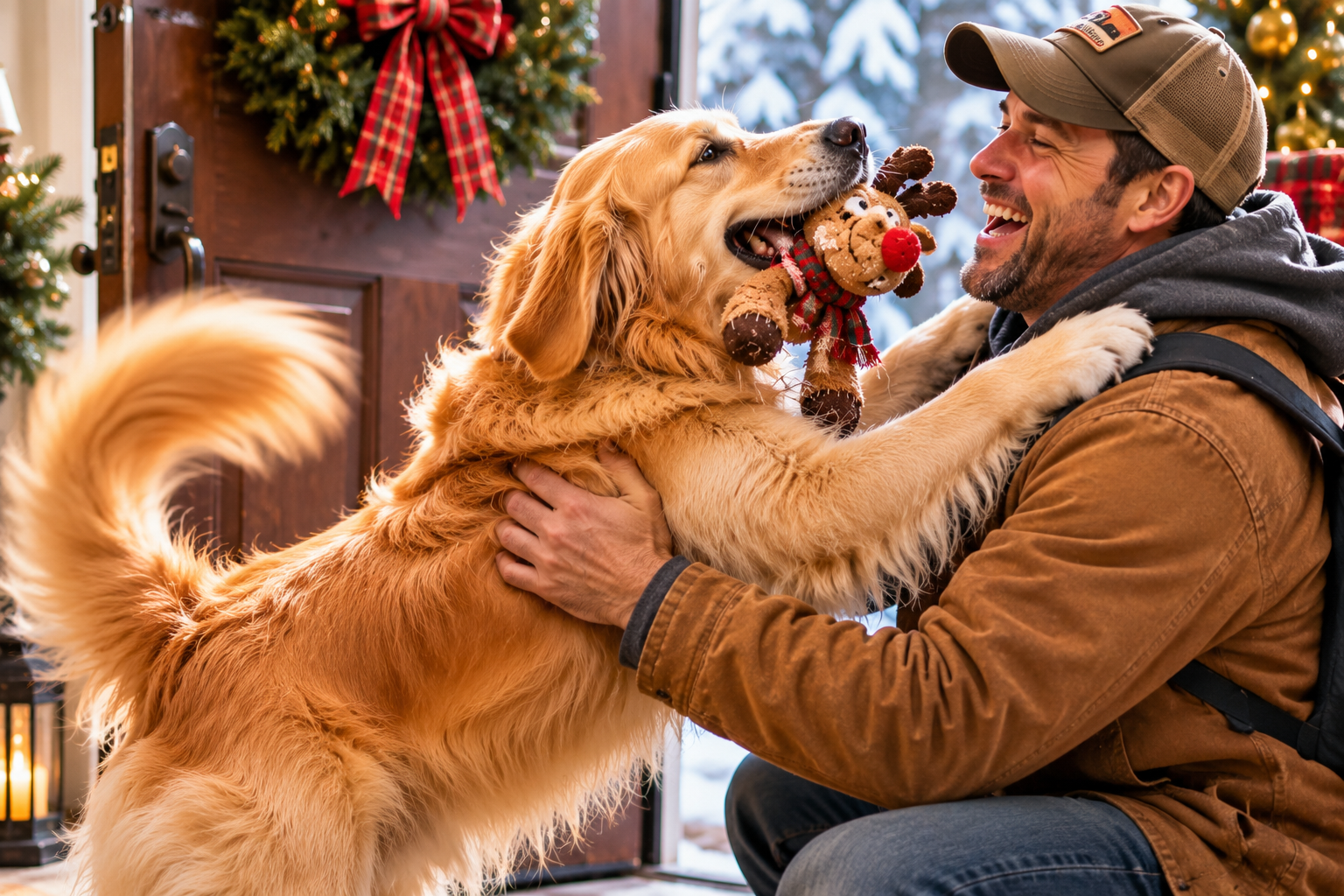
You’ve been gone for several hours. You unlock the front door, and suddenly your dog races through the living room.
But instead of greeting you empty-mouthed, they make an emergency detour to retrieve their favorite toy.
They return carrying a stuffed duck, tail wagging so enthusiastically that their entire body wiggles.
Why?
For some dogs, carrying a toy becomes part of their greeting ritual.
The excitement of seeing you return can be overwhelming, and grabbing something familiar gives them an activity to focus on.
Some dogs even learn that holding a toy helps channel their excitement into a calmer greeting.
According to veterinary behaviorist Dr. Wailani Sung, toy-carrying greetings can reflect excitement, affection, a desire to play, or a familiar routine.
What this might mean: Your arrival is exciting enough that your dog has developed their own special way of celebrating it.
Who needs a welcome-home banner when you’ve got a golden retriever carrying a slobbery tennis ball?
Your Dog Has Learned That Toys Get Your Attention
Dogs are excellent observers.
They notice which behaviors make us laugh, smile, speak, or stop what we’re doing.
And sometimes, they use that information brilliantly.
Imagine the first time your dog brought you a stuffed animal.
You probably smiled, said something like “Awww, look what you brought me!” and gave them attention.
Your dog may have learned a valuable lesson:
Bring human toy. Human becomes happy. Excellent strategy.
Over time, the behavior can become a reliable way to start an interaction.
This doesn’t make your dog manipulative in a negative sense. It simply means they’ve learned how to communicate with you.
Try this: If you enjoy the behavior, reward it with a little attention or play. Just remember that you don’t have to respond with a full game every single time.
Their Favorite Toy Makes Them Feel Comfortable
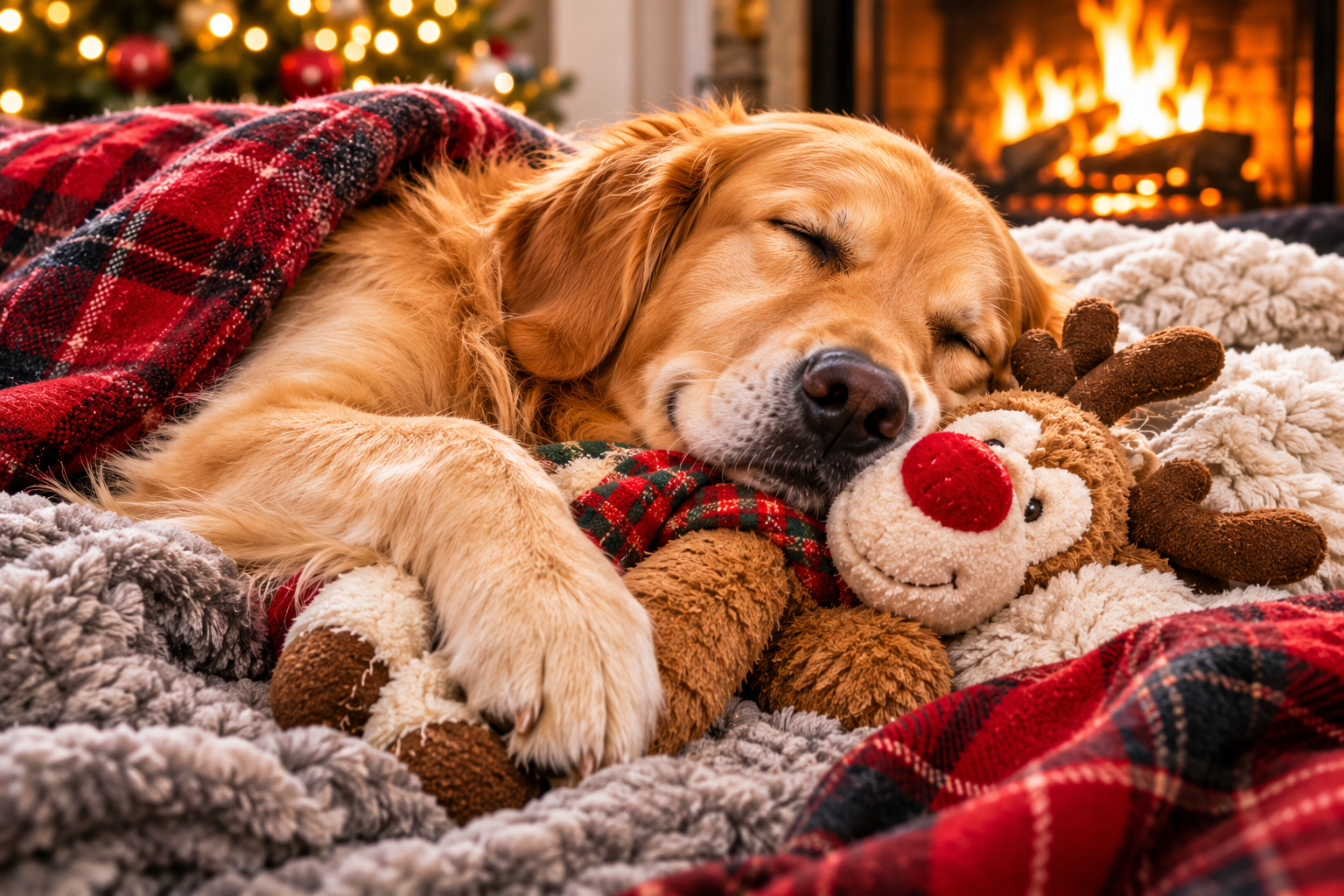
Some dogs have a special relationship with one particular toy.
Maybe it’s an old stuffed bear, a soft blanket-like toy, or a rubber ball they’ve carried around since puppyhood.
That object may provide familiarity and comfort.
When your dog feels excited, uncertain, or overstimulated, carrying their favorite toy can be a soothing activity.
This may explain why some dogs grab a toy during greetings but don’t actually want to play.
They simply enjoy having something familiar in their mouth.
Watch their body language.
A dog who carries a toy while remaining relaxed may be perfectly content.
But if your dog is pacing, whining, trembling, or showing other signs of distress, don’t assume the toy alone means they’re happy.
Consider what else is happening around them.
Your Dog Is Showing Off Their Most Prized Possession
Some dogs bring their owners toys with the confidence of a child presenting a championship trophy.
They trot into the room, proudly display their stuffed squirrel, and wait for you to admire it.
Then, the moment you reach for it?
They turn around and walk away.
Excuse me. Was that not an invitation?
Apparently not.
Some dogs enjoy the attention that comes from carrying or displaying a favorite object without necessarily wanting to surrender it.
Others may be inviting a playful game of keep-away.
The difference is usually visible in their body language.
A loose, bouncy dog who repeatedly approaches may be playing. A dog who becomes stiff, freezes, growls, or guards the object may be uncomfortable with someone taking it.
Respect the difference. Never assume that presenting a toy means your dog wants you to grab it.
Sometimes your role is simply to admire the masterpiece.
Sharing Toys Has Become Your Special Routine
Dogs thrive on familiar routines.
Maybe every evening you sit on the couch and your dog brings over the same squeaky chicken.
You play for a few minutes, give them some attention, and settle down together.
After enough repetitions, your dog may begin anticipating that interaction.
The toy becomes part of a shared ritual.
This is one reason familiar games can be so meaningful. Your dog learns what to expect from you, and you learn how they prefer to interact.
A consistent, positive routine can help build confidence, predictability, and connection.
And sometimes, the most meaningful part isn’t the toy itself.
It’s the fact that your dog wants to include you in their day.
What If My Dog Brings Me a Toy but Won’t Let Go?
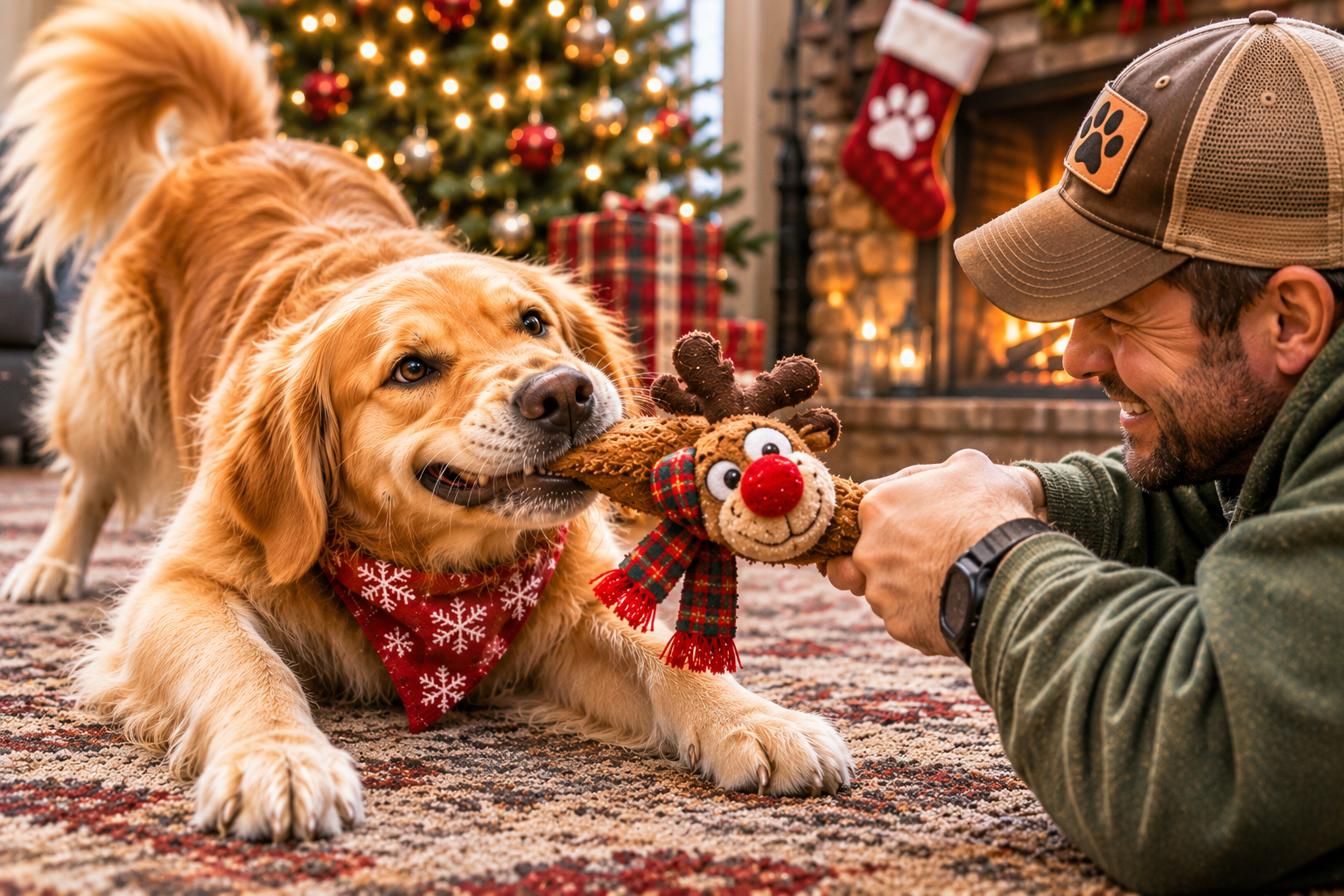
This is one of the funniest—and most confusing—versions of the behavior.
Your dog walks over carrying a tennis ball.
You reach for it.
They back away.
You stop reaching.
They come closer.
You reach again.
They retreat.
Congratulations. You’ve entered a negotiation with someone who doesn’t understand contracts.
There are several possible explanations.
They want to play tug. Your dog may be inviting you to grab the toy and begin a game.
They enjoy being chased. Some dogs learn that running away with a toy starts an exciting interaction.
They want attention, not a game. Carrying the toy may be enough to get the response they’re seeking.
They don’t want to surrender it. If your dog becomes tense or defensive, they may be worried about losing a valued possession.
If your dog seems playful, try a gentle game with clear rules.
If they seem uncomfortable, don’t chase, corner, or forcibly remove the toy. Give them space and work on positive trading skills.
How to Respond When Your Dog Brings You Their Favorite Toy
You don’t need to throw a tennis ball across the living room every time your dog appears with one.
But you can use these moments to build a stronger relationship.
Acknowledge their invitation
If your dog seems happy and relaxed, offer gentle praise or friendly attention.
Join the fun when possible
A few minutes of play can provide exercise, mental stimulation, and positive interaction.
Let your dog choose
If they simply want to carry the toy, don’t insist on taking it.
Practice trading instead of grabbing
Teach your dog that giving up an object can lead to something rewarding, such as a treat or another toy.
Keep toys safe
Check favorite toys regularly for torn fabric, loose squeakers, and exposed stuffing.
Dogs who swallow toy pieces can develop dangerous intestinal blockages. Remove damaged toys that present an ingestion risk.
The Bottom Line: Sometimes Love Comes Covered in Slobber
Continue Exploring Dog Behavior at The Bark Clinic
Curious about the other little things your dog does? Explore more of our guides:
● Your Dog Is Bored, Not Bad: 7 Signs Your Dog Needs More Enrichment — Understand when your dog needs more mental stimulation.
● 12 DIY Dog Enrichment Ideas Using Things You Already Have — Turn everyday household items into fun activities.
The Bark Clinic shares educational dog-care information and is not a substitute for personalized veterinary or professional behavior advice.
This article is educational and is not a substitute for veterinary care. If your dog is unwell, contact your veterinarian.
Keep reading
Why Does My Dog Lean on Me? 5 Possible Reasons
Read article
Why Does My Dog Take Food Out of Their Bowl to Eat Somewhere Else?
Your dog has a perfectly good food bowl, so why does dinner always end up on the carpet? Discover seven possible explanations for this quirky habit and when it might signal a problem.
Read article
Why Does My Dog Steal My Shoes but Never Chew Them?
Your dog has a bed full of toys, yet somehow your favorite sneaker keeps disappearing. Here's why dogs steal shoes without destroying them—and what this quirky habit might mean.
Read article