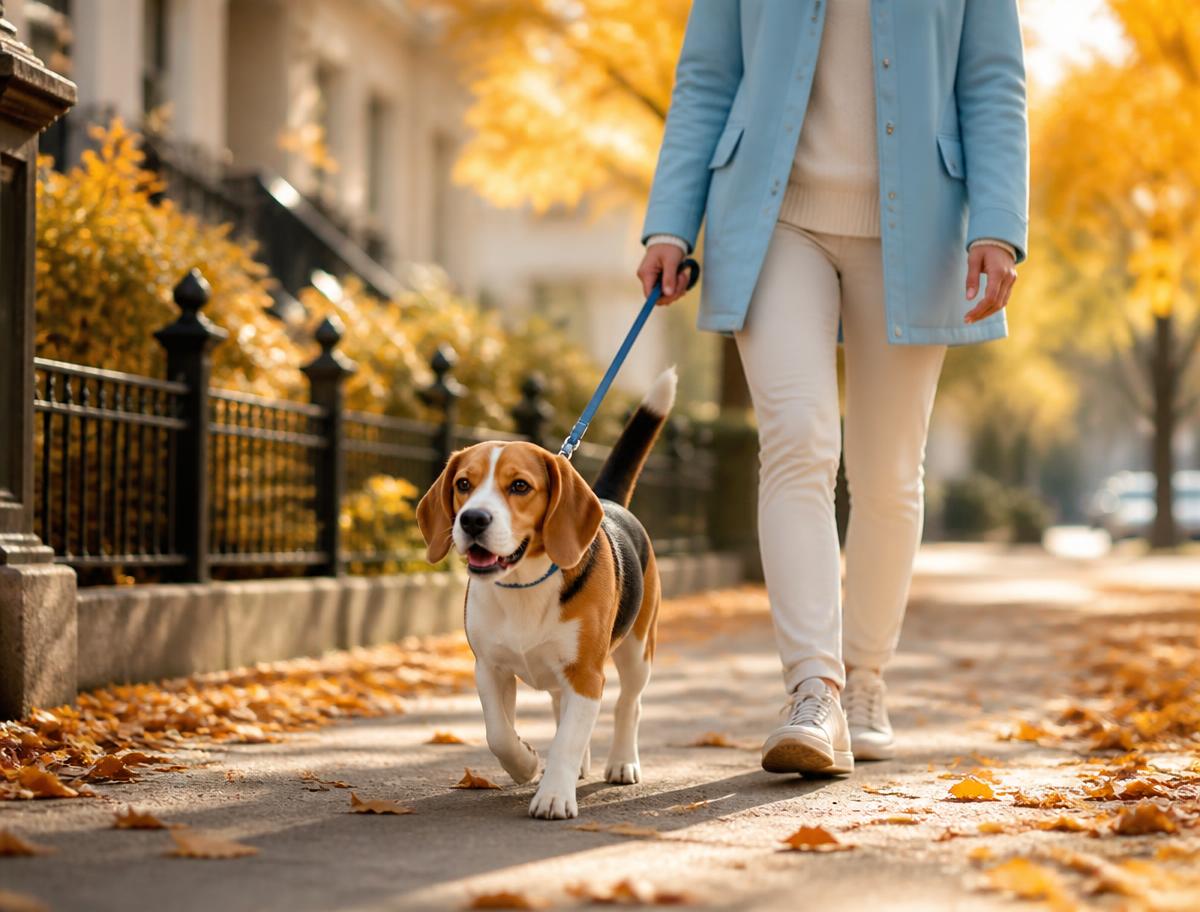
Fall is the best walking season of the year — crisp air, golden light, fewer crowds. But the season quietly swaps summer''s hazards for a new set. Here''s what to watch for between September and November.
On the ground: acorns, mushrooms, and conkers
Acorns contain tannic acid and cause stomach upset in small amounts; larger quantities can lead to vomiting, diarrhea, and in rare cases kidney issues. Horse chestnuts (conkers) are more dangerous — they contain aesculin, which is toxic to dogs. Both are also choking and intestinal-blockage hazards for enthusiastic retrievers.
Wild mushrooms are the real wildcard. While most are harmless, distinguishing toxic species (like death caps) from safe ones is genuinely difficult — treat any wild mushroom your dog eats as a call to your vet or a poison hotline, ideally with a photo.
Simple rule
Train a solid ''leave it'' before peak leaf-drop season, and scan the ground in oak-heavy parks the way you''d scan for glass in summer.
Antifreeze and coolant: the invisible danger
Cars switch to antifreeze as temperatures drop, and ethylene glycol is fatally attractive — it tastes sweet. Puddles near parking spots, driveways, and garages deserve caution. Even a small amount can cause fatal kidney failure.
- Discourage drinking from any puddle near roads or parked cars
- Carry a collapsible water bowl on longer walks
- If you see your dog lap from a suspicious puddle, call your vet immediately — early treatment is everything
Earlier darkness and lower visibility
After the clocks change, many walks happen at dusk or in full dark. Drivers genuinely struggle to see dark-coated dogs.
- Use a clip-on LED light or light-up collar on your dog
- Wear something reflective yourself — even a cheap vest multiplies your visibility
- Stick to well-lit routes on foggy or rainy evenings
Temperature: the seasonal false confidence
Cool weather is comfortable for most dogs, but the season''s first cold snap catches short-coated, senior, and low-body-weight dogs off guard. Watch for shivering, a hunched posture, or a dog who lifts paws off the pavement. A coat isn''t a fashion statement for these dogs — it''s gear. And while heat risk fades, pavement can still hold summer''s warmth on sunny early-fall afternoons; the seven-second hand test still applies.
Wildlife and holiday leftovers
Fall means more rodents near homes — and more rodenticides. Secondary poisoning (a dog eating a poisoned mouse or rat) is a real and underreported risk. Keep dogs away from dead rodents, bait stations, and garages where poisons are stored.
Later in the season, discarded candy (especially chocolate and anything with xylitol) and compost piles with moldy food both pose serious toxicity risks. A quick yard sweep after trick-or-treat season costs nothing.
Your five-minute fall checklist
- Refresh ''leave it'' before leaf-drop begins
- Stock a collapsible bowl and skip roadside puddles
- Add an LED light and reflective gear for evening walks
- Reassess your dog''s cold tolerance on the first chilly week
- Scan yards and walking routes for acorns, conkers, mushrooms, and bait
Handle those five things and fall remains exactly what it should be: the most enjoyable walking season your dog gets all year.
This article is educational and is not a substitute for veterinary care. If your dog is unwell, contact your veterinarian.